
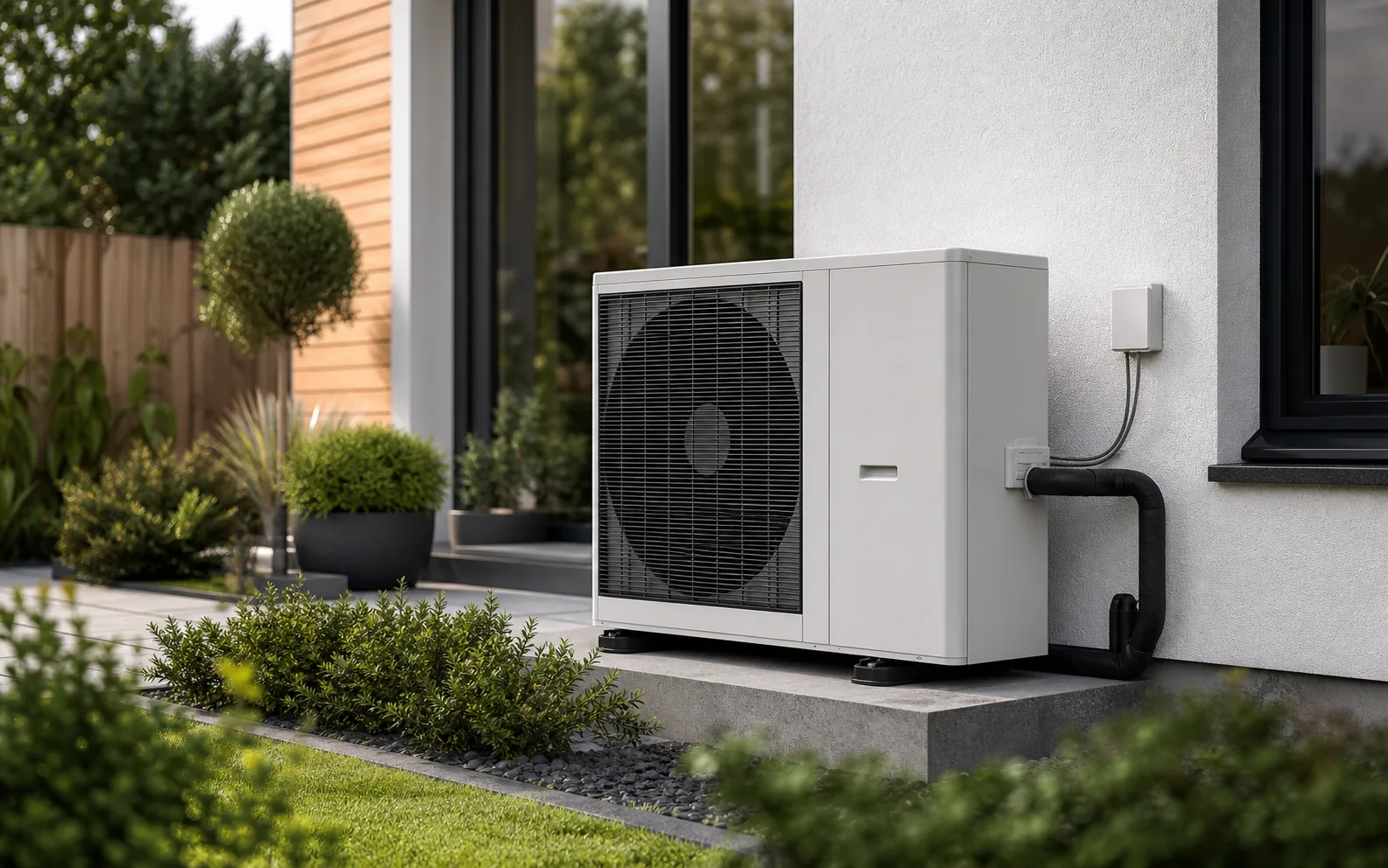
A heat pump can provide comfortable, efficient heating, but only when the home, emitters, hot water and controls are considered together. Suitability cannot be decided from property age, an EPC rating or a photograph of the current boiler alone.
A readiness assessment should explain whether the home is suitable now, needs targeted improvements first or would benefit from a staged plan.
Start with room-by-room heat loss
Heat loss determines how much heat each room needs on a cold design day. The calculation considers room size, exposed walls, glazing, insulation and ventilation. It provides the foundation for selecting the heat pump and checking radiator output.
An oversized system may cycle inefficiently, while an undersized system may struggle in cold weather. A defensible design starts with measured property information rather than a simple boiler-output swap.
Check radiators at the proposed flow temperature
Heat pumps generally perform best at lower water temperatures than many gas boiler systems. Existing radiators therefore need to be assessed at the temperature the new design intends to use.
Some radiators may already be suitable. Others may need a larger panel, a different emitter or a reduction in room heat loss. The answer should be room specific rather than an assumption that every radiator must be replaced.
Review insulation without demanding a perfect home
A heat pump does not require every property to reach new-build insulation standards. Better insulation can reduce heat demand, improve comfort and allow lower operating temperatures, but the useful question is which improvements make sense for the individual home.
Loft insulation, draughts, glazing and poorly performing extensions are often practical places to investigate before major disruption is considered.
Plan hot water and cylinder space
Many heat pump systems use a hot water cylinder. The assessment should review household demand, recovery expectations, available space and the existing pipework. Homes converting from a combi boiler need this discussion early because the hot water arrangement changes significantly.
Choose the outdoor unit location carefully
The outdoor unit needs suitable airflow, service access and a visually considered position. Noise, neighbouring windows, boundaries, drainage and permitted-development conditions can all affect the final location.
Planning rules and manufacturer clearances should be checked for the specific property rather than assumed.
Understand controls and running costs
Heat pumps often work best with steady operation and well-set weather compensation rather than short bursts of very hot water. Homeowners should understand how the controls will feel different and how electricity tariff, system design and comfort choices affect running cost.
Savings compared with gas are not guaranteed. A useful proposal should explain its assumptions and avoid promising a fixed reduction.
Check the grant and installation pathway
Grant rules can change and normally require an eligible installation through the appropriate certified pathway. ELUVO is progressing its MCS pathway and does not claim grant-eligible installation status before certification is confirmed.
Official eligibility should be checked again when the project is ready to proceed.
What if the home is not ready?
That does not mean the idea has failed. A staged roadmap can prioritise insulation, radiators, controls, hot water or electrical work while the existing heating system remains maintained. The goal is to avoid a rushed installation and make the next investment in the right order.